
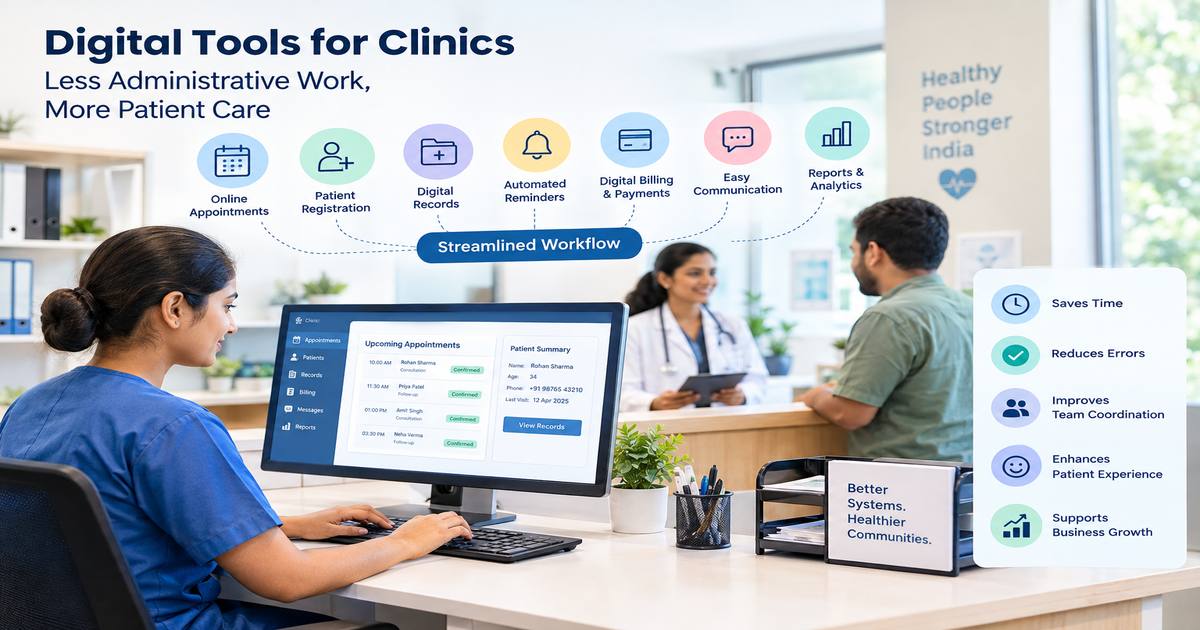
How Indian Clinics Can Improve Efficiency with Digital Healthcare Tools
Running a clinic in India today involves much more than treating patients. Doctors, receptionists, and clinic staff often spend a large part of their day managing appointments, maintaining records, handling billing, coordinating follow-ups, answering phone calls, and preparing reports.
For many clinics, administrative work has gradually become one of the biggest challenges to operational efficiency. While patient expectations continue to rise, many clinics still rely on paper files, spreadsheets, WhatsApp messages, and manual processes to manage day-to-day operations.
The result is often increased workload, duplicate tasks, communication gaps, and less time available for patient care.
Digital healthcare tools are helping clinics address these challenges by simplifying repetitive tasks and creating more organized workflows. The goal is not simply to replace paper with software, but to reduce unnecessary administrative effort so healthcare professionals can focus more on patients and less on paperwork.
Where Indian Clinics Lose the Most Administrative Time
Before discussing solutions, it is important to understand where most administrative time is spent.
1. Appointment Scheduling
Many clinics still manage appointments through phone calls, handwritten registers, or messaging applications.
This often creates challenges such as:
Double bookings
Missed appointments
Last-minute cancellations
Difficulty tracking patient schedules
Excessive time spent answering scheduling calls
When appointment management depends entirely on manual coordination, front-desk staff can spend several hours each day handling routine scheduling tasks.
2. Patient Registration and Information Collection
New patient registration is often repetitive and time-consuming.
Patients may be asked to provide the same information multiple times, while staff manually enter details into registers or spreadsheets.
Common issues include:
Incomplete records
Data entry mistakes
Duplicate patient profiles
Difficulty locating information during future visits
As patient volume increases, these inefficiencies become more noticeable.
3. Patient Records Management
Paper-based record systems can become difficult to maintain over time.
Clinic staff may spend significant effort searching for:
Previous prescriptions
Consultation notes
Test reports
Medical histories
When information is stored across multiple files or systems, accessing complete patient data quickly becomes challenging.
4. Follow-Ups and Patient Communication
Follow-up care is important for patient outcomes, but it often requires substantial administrative effort.
Staff may need to:
Call patients manually
Send appointment reminders
Schedule follow-up visits
Share reports and instructions
Without organized workflows, important follow-ups can be delayed or missed.
5. Billing and Payments
Manual billing processes create additional administrative work.
Staff frequently handle:
Invoice preparation
Payment recording
Daily reconciliation
Financial reporting
Manual calculations and record-keeping can increase the likelihood of errors while consuming valuable staff time.
6. Reporting and Operational Tracking
Clinic owners often want visibility into:
Patient volume
Revenue trends
Appointment statistics
Staff performance
Service utilization
Generating these reports manually can require hours of work each week.
How Digital Tools Can Reduce Administrative Work
Digital healthcare tools help clinics streamline these operational activities by automating repetitive processes and centralizing information.
Online Appointment Management
Digital scheduling systems allow patients and staff to manage appointments more efficiently.
Benefits include:
Real-time schedule visibility
Reduced phone-based booking workload
Better appointment organization
Faster rescheduling
Improved patient convenience
Some systems can also automate appointment confirmations and reminders, reducing administrative effort while helping clinics manage patient flow more effectively.
Digital Patient Records
Electronic patient records make information easier to store, retrieve, and update.
Instead of searching through physical files, authorized staff can quickly access:
Consultation history
Prescriptions
Diagnostic reports
Treatment records
This can improve efficiency while reducing the time spent locating patient information.
Government initiatives under the Ayushman Bharat Digital Mission (ABDM) are also encouraging greater adoption of digital health records and connected healthcare systems across India.
Automated Patient Reminders
Missed appointments can create scheduling gaps and operational inefficiencies.
Automated reminders sent through SMS, email, or messaging platforms can help clinics:
Reduce no-shows
Improve follow-up compliance
Maintain patient engagement
Decrease manual calling effort
Rather than assigning staff to contact patients individually, automated systems can handle routine communication consistently.
Digital Billing and Payments
Digital billing tools can simplify financial workflows by reducing repetitive administrative tasks.
Benefits may include:
Faster invoice generation
Better payment tracking
Simplified reconciliation
Reduced paperwork
Improved financial visibility
By minimizing manual calculations and data entry, clinics can spend less time on administrative accounting tasks.
Centralized Clinic Information
One of the biggest advantages of digital healthcare tools is the ability to centralize information.
Instead of managing separate registers, spreadsheets, and communication channels, clinics can access operational data through a unified system.
This can improve coordination between:
Doctors
Reception staff
Administrators
Billing teams
When information is available in one place, teams spend less time searching and more time acting.
The Goal Isn't More Software — It's Better Workflows
A common misconception is that digital transformation means adopting as many software solutions as possible.
In reality, adding multiple disconnected tools can sometimes create additional complexity.
Successful clinic digitization focuses on improving workflows rather than increasing software usage.
The right solution should:
Solve a specific operational problem
Reduce repetitive administrative tasks
Be easy for staff to learn
Improve information visibility
Support patient experience
Scale with clinic growth
Technology should simplify operations, not make them more complicated.
Healthcare providers should evaluate tools based on measurable operational improvements rather than feature lists alone.
How Clinics Can Start Their Digital Transformation
Digital transformation does not need to happen all at once.
A gradual approach often produces better results.
Step 1: Identify Repetitive Tasks
Start by documenting activities that consume the most administrative time.
Examples include:
Appointment scheduling
Follow-up calls
Billing
Patient registration
Step 2: Measure Current Workflows
Understand how much time staff currently spend on administrative processes.
This creates a baseline for evaluating improvements later.
Step 3: Prioritize High-Impact Areas
Focus first on processes that create the largest operational burden.
For many clinics, appointment management and patient records provide the fastest return on effort.
Step 4: Select Practical Solutions
Choose tools that address identified challenges rather than adopting technology for its own sake.
For clinics and healthcare organizations evaluating digital systems, understanding different hospital management software pricing models can also help compare implementation costs, subscription structures, and long-term operational value before making technology decisions.
Step 5: Train Staff Properly
Even the best software cannot deliver results if staff are uncomfortable using it.
Training and adoption support are critical for successful implementation.
Step 6: Measure Results
Monitor whether digital tools are actually reducing administrative workload.
Track improvements such as:
Time saved
Appointment efficiency
Billing accuracy
Follow-up completion rates
Patient satisfaction
What Should Clinics Look for in Digital Healthcare Tools?
Not every healthcare technology solution is the right fit for every clinic.
When evaluating options, clinics should consider:
Ease of Use
Complicated systems often create resistance among staff.
Simple, intuitive interfaces encourage adoption.
Appointment Management
Look for tools that simplify scheduling, reminders, cancellations, and rescheduling.
Patient Record Management
Patient information should be organized, accessible, and secure.
Billing and Financial Tracking
Efficient billing tools can reduce manual work while improving financial visibility.
Reporting and Analytics
Access to operational insights helps clinics make informed decisions.
Security and Data Privacy
Patient information must be protected through appropriate security measures and compliance practices.
Scalability
Technology should support future growth without requiring complete replacement.
Integration Capabilities
Systems that connect important workflows can reduce duplicate data entry and improve efficiency.
Vendor Support
Reliable support and training resources are often just as important as software features.
Conclusion
Administrative work is an unavoidable part of running a clinic, but excessive administrative workload does not have to be.
Digital healthcare tools are helping Indian clinics streamline appointment management, patient records, billing, communication, and reporting. By reducing repetitive tasks and improving workflow visibility, these tools can free healthcare professionals to spend more time where it matters most—delivering quality patient care.
The most successful clinics are not necessarily the ones using the most technology. They are the ones using technology strategically to remove friction, improve efficiency, and create a better experience for both patients and staff.
As India's healthcare ecosystem continues its digital transformation journey, clinics that focus on practical workflow improvements will be better positioned to operate efficiently, serve patients effectively, and adapt to future healthcare demands.
Got Questions? We've Got Answers
Q1 What are digital tools for clinics?
Digital tools for clinics are software solutions that help manage everyday operations such as appointment scheduling, patient registration, digital records, billing, follow-ups, communication, and reporting. They help reduce repetitive administrative work and create more organized workflows.
Q2 Can digital clinic software help with billing and payments?
Yes. Digital billing tools can simplify invoice generation, payment tracking, reconciliation, and financial reporting while reducing paperwork and manual calculations.
Related Blogs
More in Healthcare
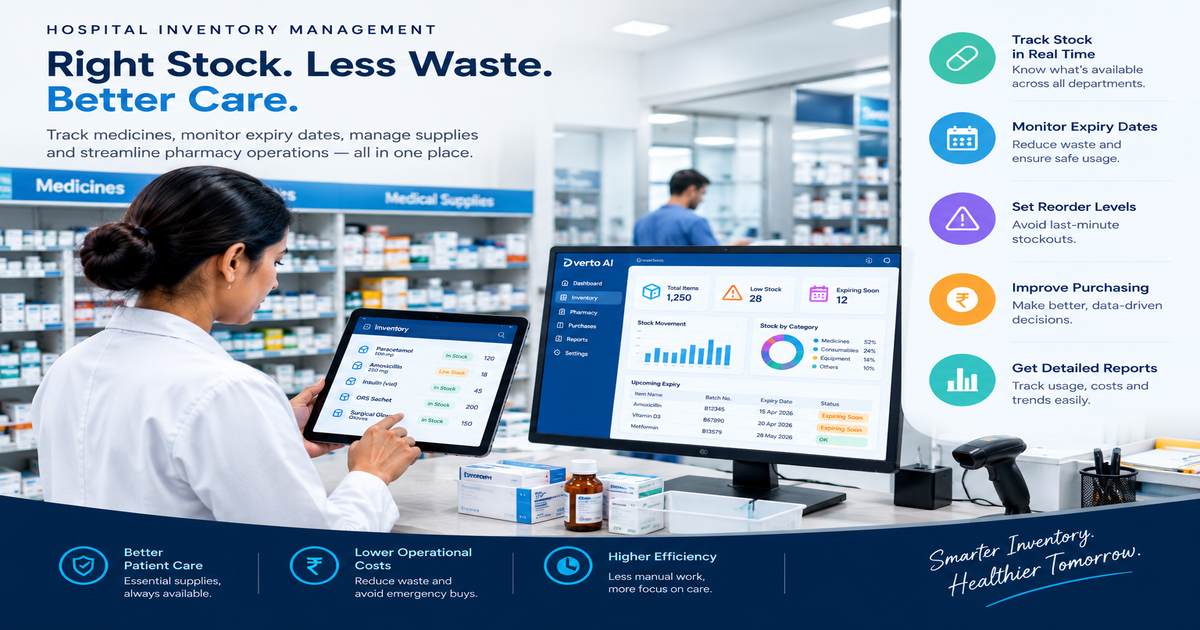
Clinic Management Software for Better Patient Experience
clinic management software patient experience in clinics, clinic management software India...
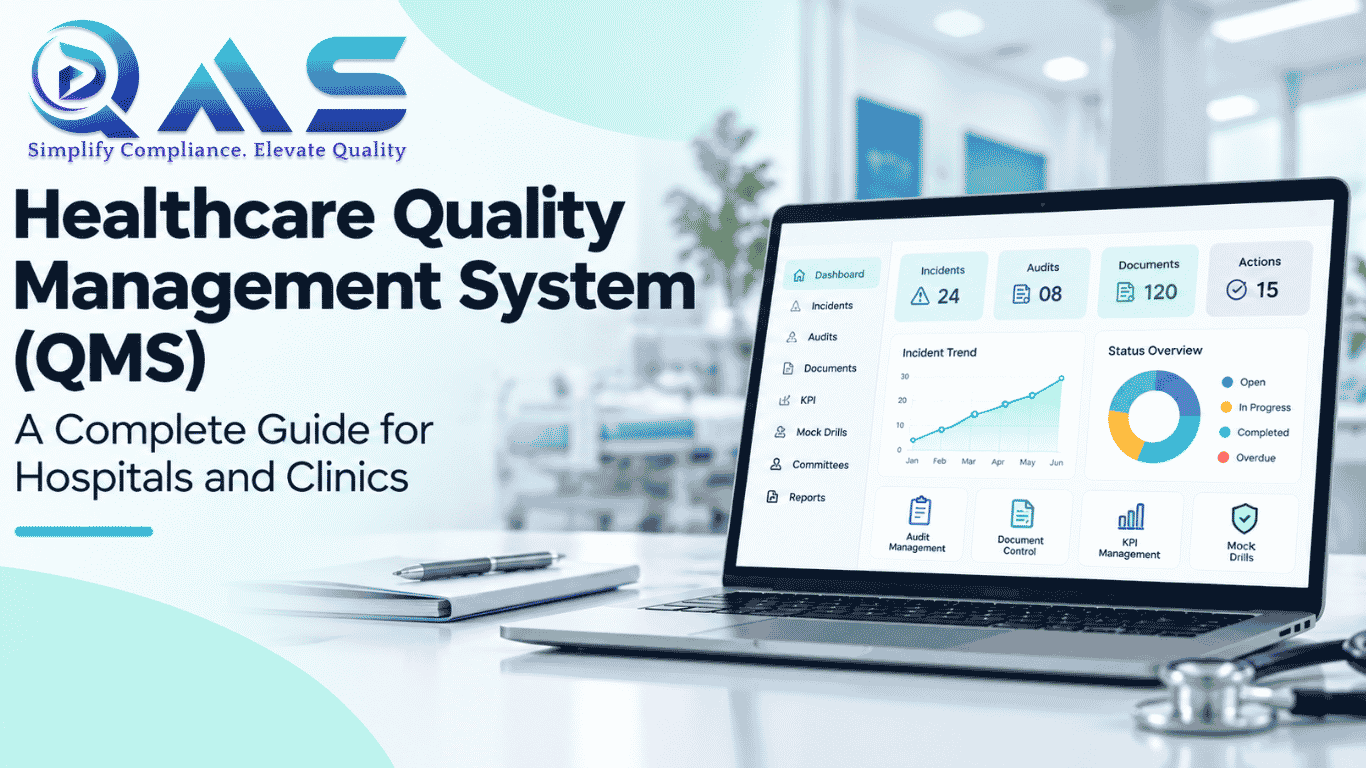
Healthcare Quality Management System (QMS): The Complete Guide for Hospitals & Clinics in 2026
Discover how a modern Healthcare Quality Management System helps hospitals and clinics imp...
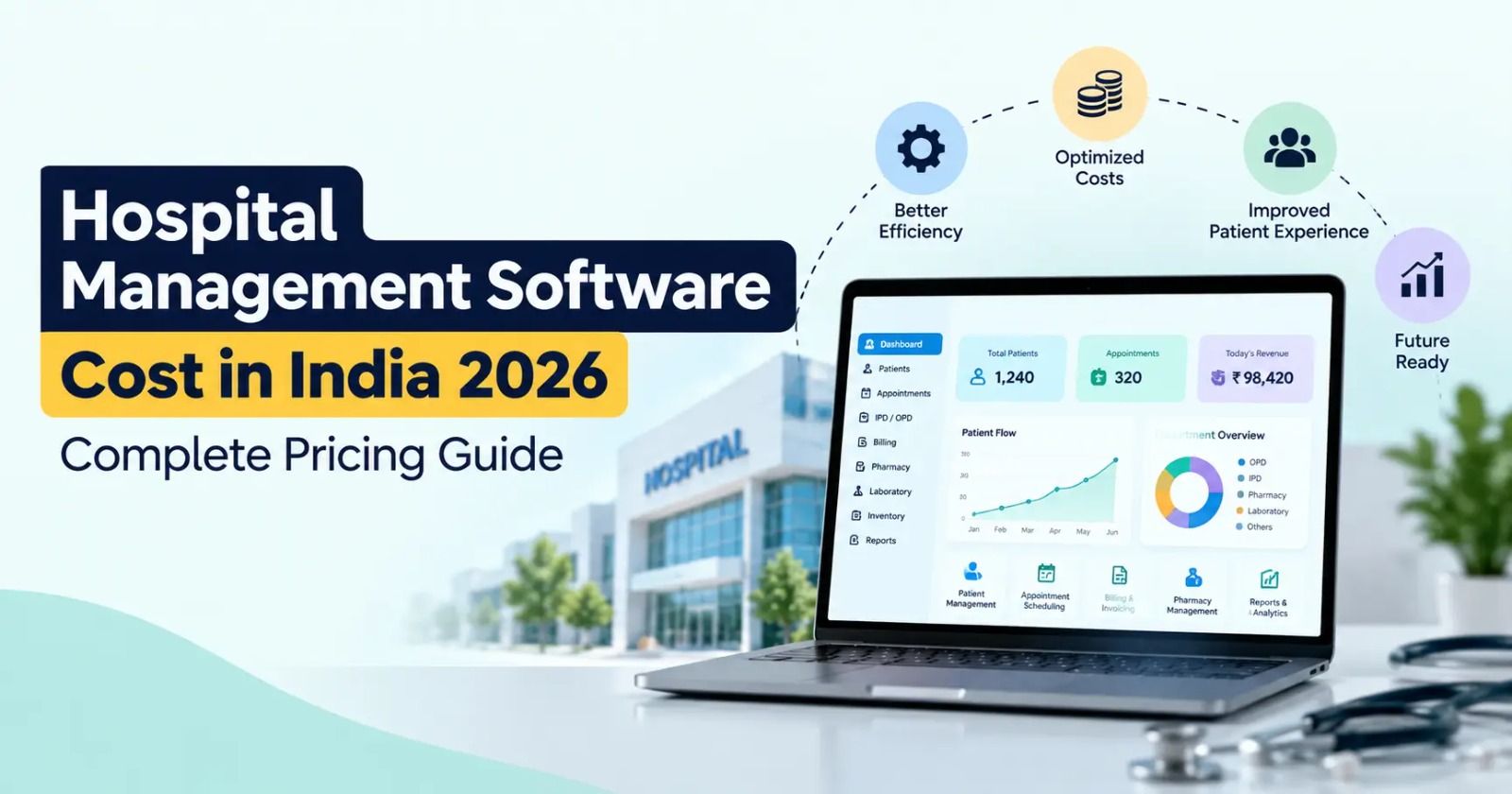
Hospital Management Software Cost in India 2026: Complete Pricing Guide
How much does hospital management software cost in India? Explore pricing models, features...
10 Signs Your Hospital Needs a Hospital Information System (HIS)
Is your hospital still relying on paper records or disconnected systems? Discover the top ...

Why Every Hospital Needs a Hospital Management System in 2026 ?
A Hospital Information System (HIS) helps hospitals connect clinical, administrative, and ...