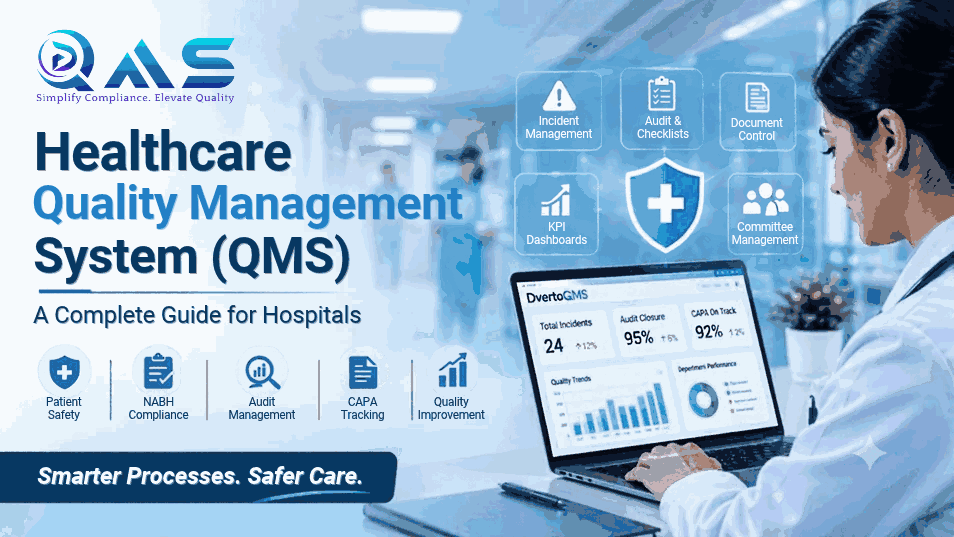
Healthcare quality matters a lot in hospitals, but keeping track of everything is harder than it looks. Decisions made every day affect patient safety and overall healthcare outcomes. Many hospitals still manage separate spreadsheets and paper records, which means important information can sometimes get missed. That is where a Quality Management System (QMS) comes in. It brings different quality activities together so audits, incidents, and documents can be managed in one place instead of being scattered across departments.
A healthcare QMS is basically a way to handle quality activities in a more organized manner. It covers incidents, audits, risk assessments, and corrective actions. When it is digital, the system can connect departments so that a finding from an audit gets assigned and followed until it is resolved. This approach can improve accountability, especially when responsibilities and deadlines are clearly defined.
Patient safety stays at the center of all this. Reporting near misses and investigating why something happened allows teams to take steps to prevent similar incidents in the future. For hospitals working towards NABH standards, a QMS helps keep relevant records organized and ready for review without last-minute scrambling. It can also reduce dependence on manual registers, freeing up time that would otherwise go into paperwork.
Some useful features include tracking observations and making sure corrective actions are completed and verified. Audits become easier to schedule and monitor. Policies stay updated through version control, helping staff avoid using outdated documents. Dashboards show performance trends instead of forcing teams to prepare reports manually. Committee meetings and mock drills can also be recorded in the same system.
Comparing the traditional approach with a digital setup shows some clear differences. Separate files make follow-ups slow, and finding historical records takes effort. A connected system allows responsibilities to be assigned with deadlines visible to the people involved. However, successful implementation still depends on how consistently employees use the system.
Choosing the right software means checking whether it fits hospital workflows and supports compliance requirements. Role-based access and department-level visibility help keep activities manageable. Ease of use also matters because doctors, nurses, and administrators need a system that fits naturally into their daily work.
One such solution is DvertoQMS – Hospital Quality Management System, which brings incident tracking, audit management, CAPA, and document control into a single platform. It also includes KPI dashboards, committee management, and mock drill records. Hospitals can choose cloud or on-premises deployment depending on their operational and infrastructure requirements.
In the end, better processes depend on consistent follow-through rather than simply having software. A system like this can improve visibility and coordination, but real improvement still comes down to how healthcare teams apply quality practices in their day-to-day work.
Hospitals looking to move towards more organized digital quality management can explore DvertoQMS and its healthcare quality management features to learn more about the platform.
Got Questions? We've Got Answers
Q1 What is a Healthcare Quality Management System?
A Hospital Quality Management System is a structured framework that helps hospitals manage patient safety, incidents, audits, risks, documentation, corrective actions, and continuous quality improvement.
Q2 Why do hospitals need QMS software
QMS software helps hospitals centralize quality activities, reduce manual documentation, track corrective actions, manage audits, and improve accountability across departments.
Q3 How does QMS software help with NABH compliance?
It helps organize audit records, policies, incident reports, CAPA activities, quality indicators, and other relevant compliance evidence. Actual accreditation depends on implementation of applicable NABH standards.
Q4 What is CAPA in healthcare?
CAPA stands for Corrective and Preventive Action. It is a process used to identify problems, investigate their causes, implement solutions, and prevent recurrence.
Q5 What are the important features of hospital QMS software?
Important features include incident management, RCA, observations, CAPA, audit management, document control, KPI dashboards, committee management, mock drills, and audit logs.
Q6 What is the difference between HIS and QMS?
A Hospital Information System (HIS) manages clinical and administrative hospital operations, while a Quality Management System focuses on quality assurance, patient safety, audits, risks, documentation, and continuous improvement.
Related Blogs
More in Healthcare
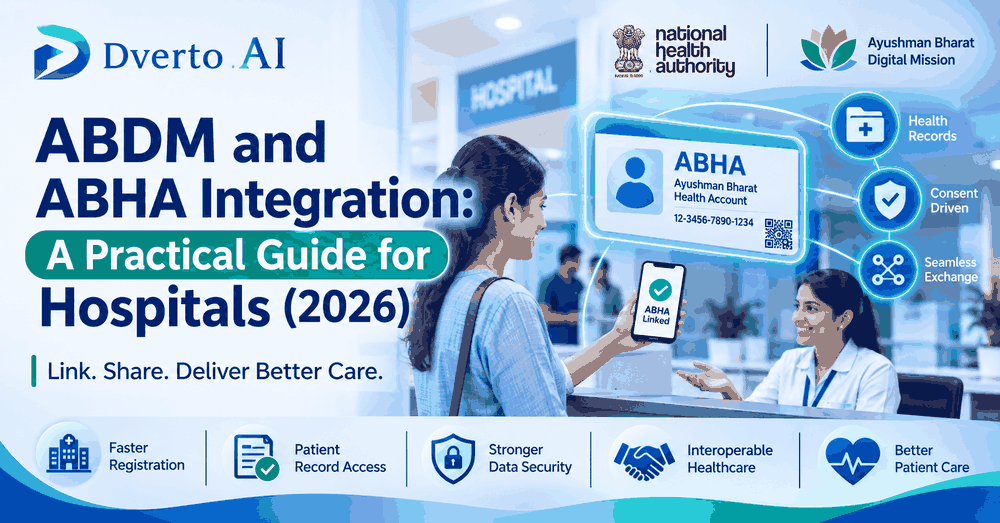
ABDM and ABHA Integration: A Practical Guide for Hospitals (2026)
ABHA is now part of the conversation at most Indian registration desks. Here is what ABDM ...

Hospital Inventory Management in India: How Digital Systems Reduce Medicine Waste and Stockouts
hospital inventory management software, pharmacy inventory management, medicine stock mana...
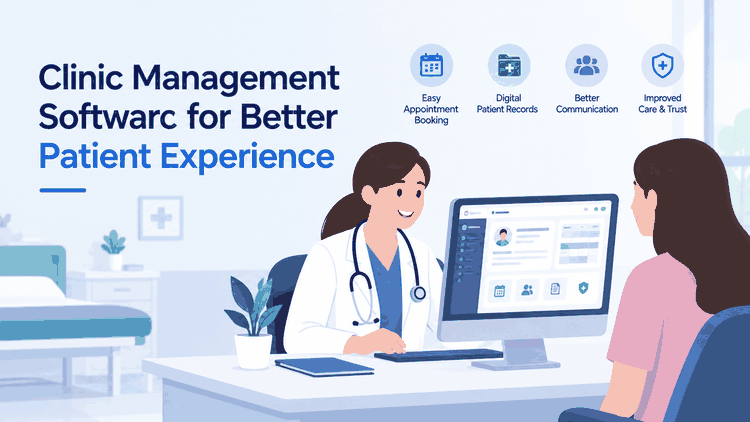
Clinic Management Software for Better Patient Experience
clinic management software patient experience in clinics, clinic management software India...

How Digital Tools Can Reduce Administrative Work for Indian Clinics
digital tools for clinics patient experience in clinics, clinic management software India,...
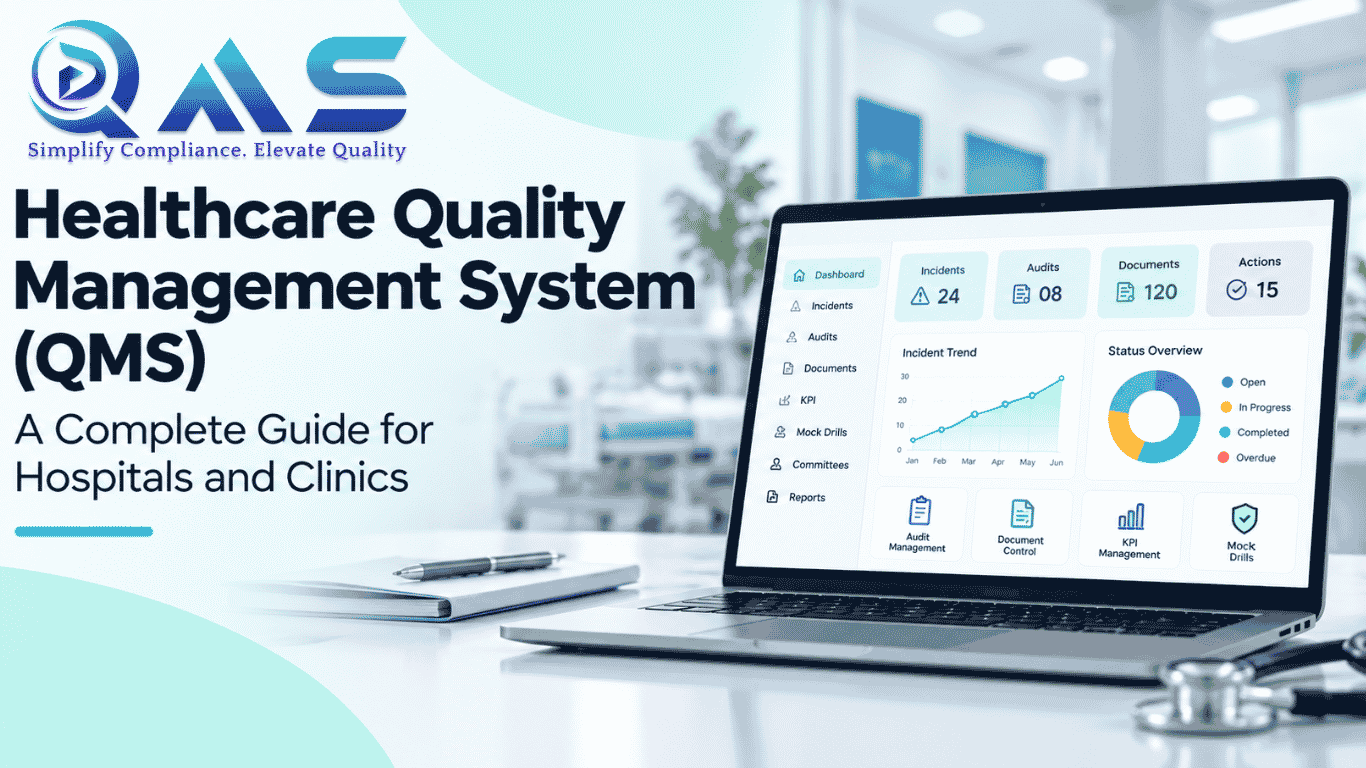
Healthcare Quality Management System (QMS): The Complete Guide for Hospitals & Clinics in 2026
Discover how a modern Healthcare Quality Management System helps hospitals and clinics imp...
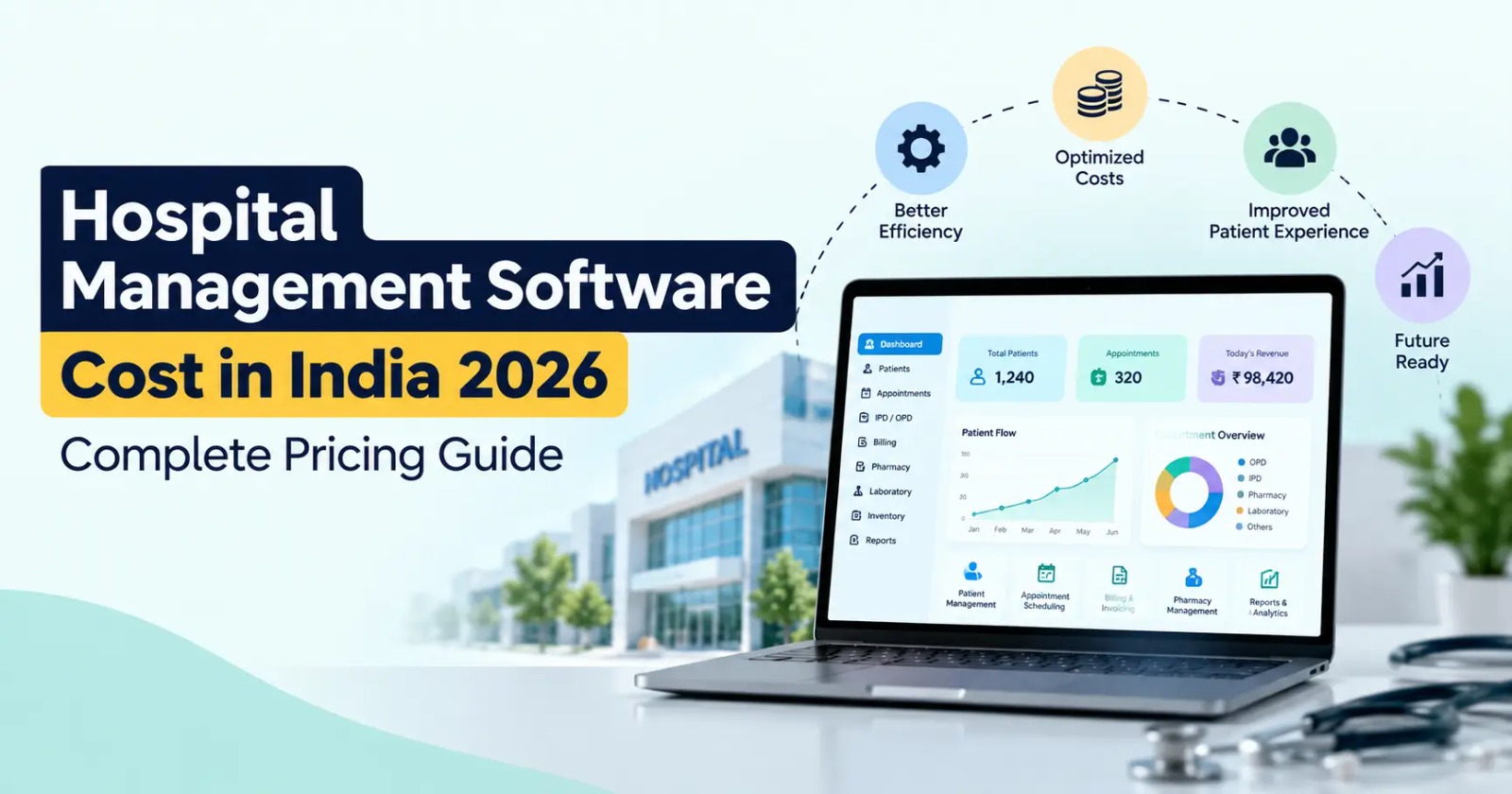
Hospital Management Software Cost in India 2026: Complete Pricing Guide
How much does hospital management software cost in India? Explore pricing models, features...
10 Signs Your Hospital Needs a Hospital Information System (HIS)
Is your hospital still relying on paper records or disconnected systems? Discover the top ...

Why Every Hospital Needs a Hospital Management System in 2026 ?
A Hospital Information System (HIS) helps hospitals connect clinical, administrative, and ...